Roundback armchair
The roundback armchair (圈椅) is built around one sweeping curved rail that runs from the back round to the arms. Here is what holds it together, from the top down.
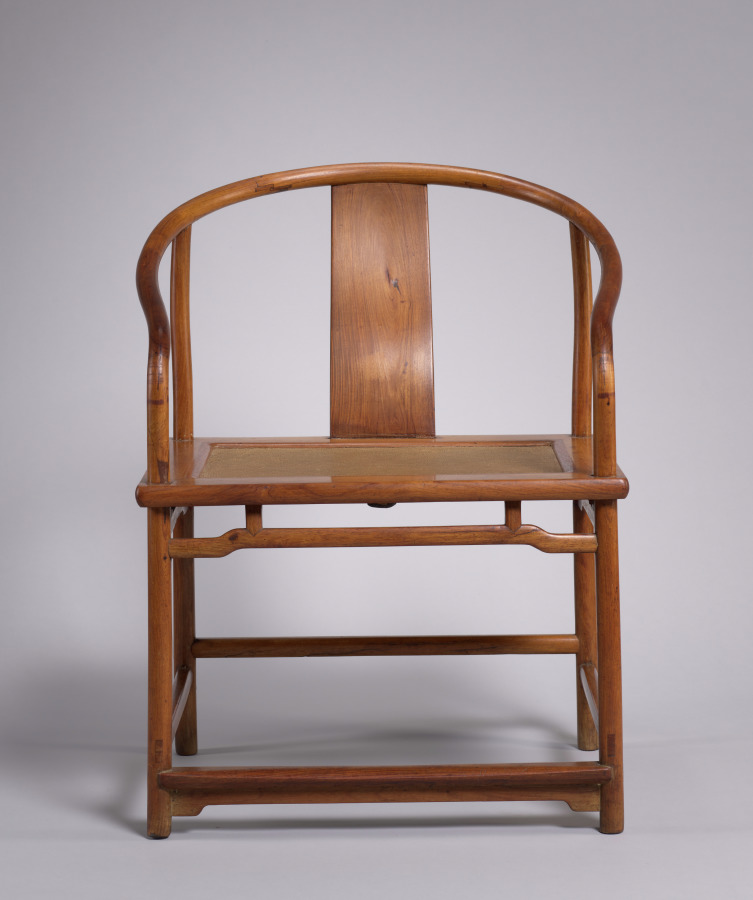
1Curved yoke
The curved rail is made of three or five pieces joined end to end with wedged splices.
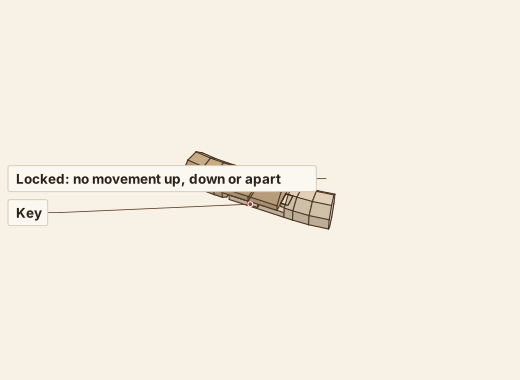
2Legs
Back legs run up through the seat frame and tenon into the yoke; the front posts do the same, each cut from one piece.
3Seat frame
A mitred frame, often with through tenons showing on the ends, holding a woven or panel seat.
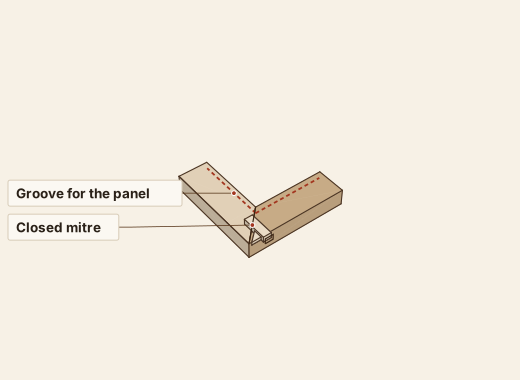
Mitred Frame Joint (格角榫)
The 45° corner of every Chinese frame-and-panel top: a tenon through the end plus a little triangular tongue.
Explore the joint →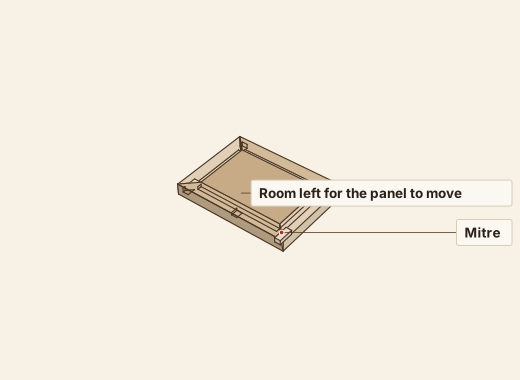
Frame and Floating Panel (攒边打槽装板)
A mitred frame grooved on the inside, a thin panel with a tongued edge floating in the groove, and battens underneath.
Explore the joint →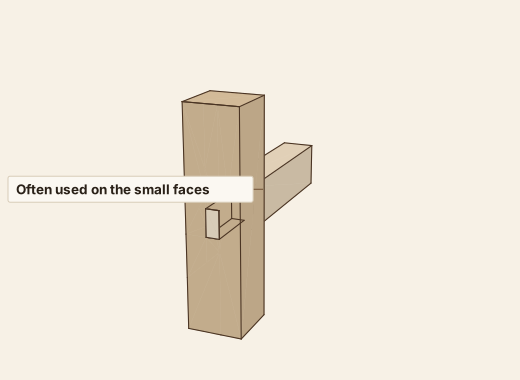
Through Tenon (透榫)
The tenon runs right through and its end grain shows on the far side: strong, but less neat than a blind tenon.
Explore the joint →4Base stretchers
Round stretchers meet the round legs flush on the outside with the flying shoulder, and are set at different heights with the front footrest lowest.
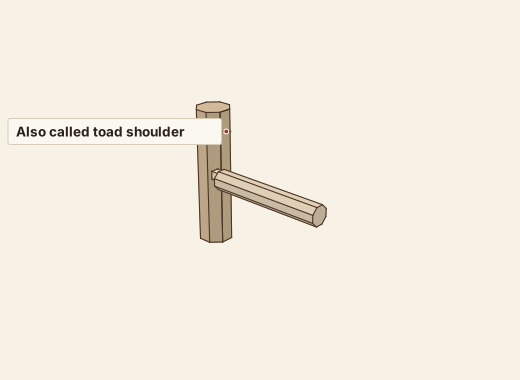
Flying Shoulder (飘肩)
Round stretcher flush with a round leg: tenon on the inner half, the outer half a shoulder that “floats” over the curve.
Explore the joint →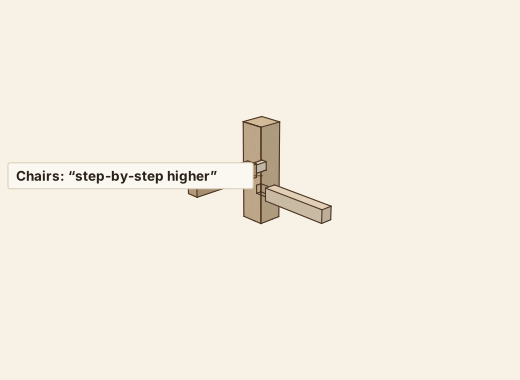
Staggered Stretchers (赶枨)
Stretchers from the front and side meet a leg at different heights, so their mortises never weaken it at one spot.
Explore the joint →