榫卯Chinese Joinery
Furniture

Explore by furniture

Recognise the type of piece first, then see how its corners are joined.

Waisted stools, tables and kang tables

A recessed waist runs under the top and the apron sits flush with the legs. At each corner, the baojian joint locks leg, waist and apron together.

Baojian joint →
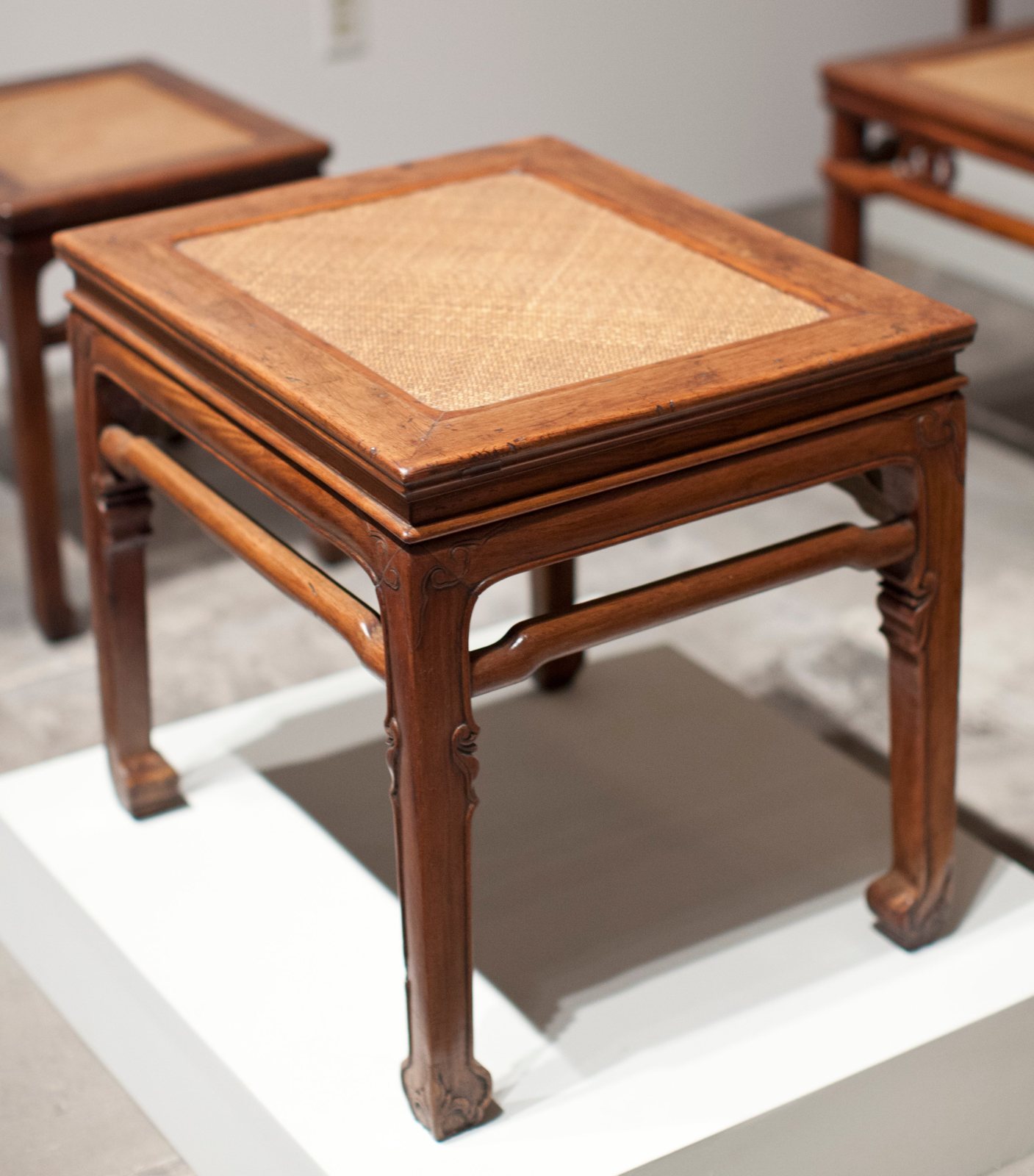
Waisted stool, 17th c. · Minneapolis Institute of Art
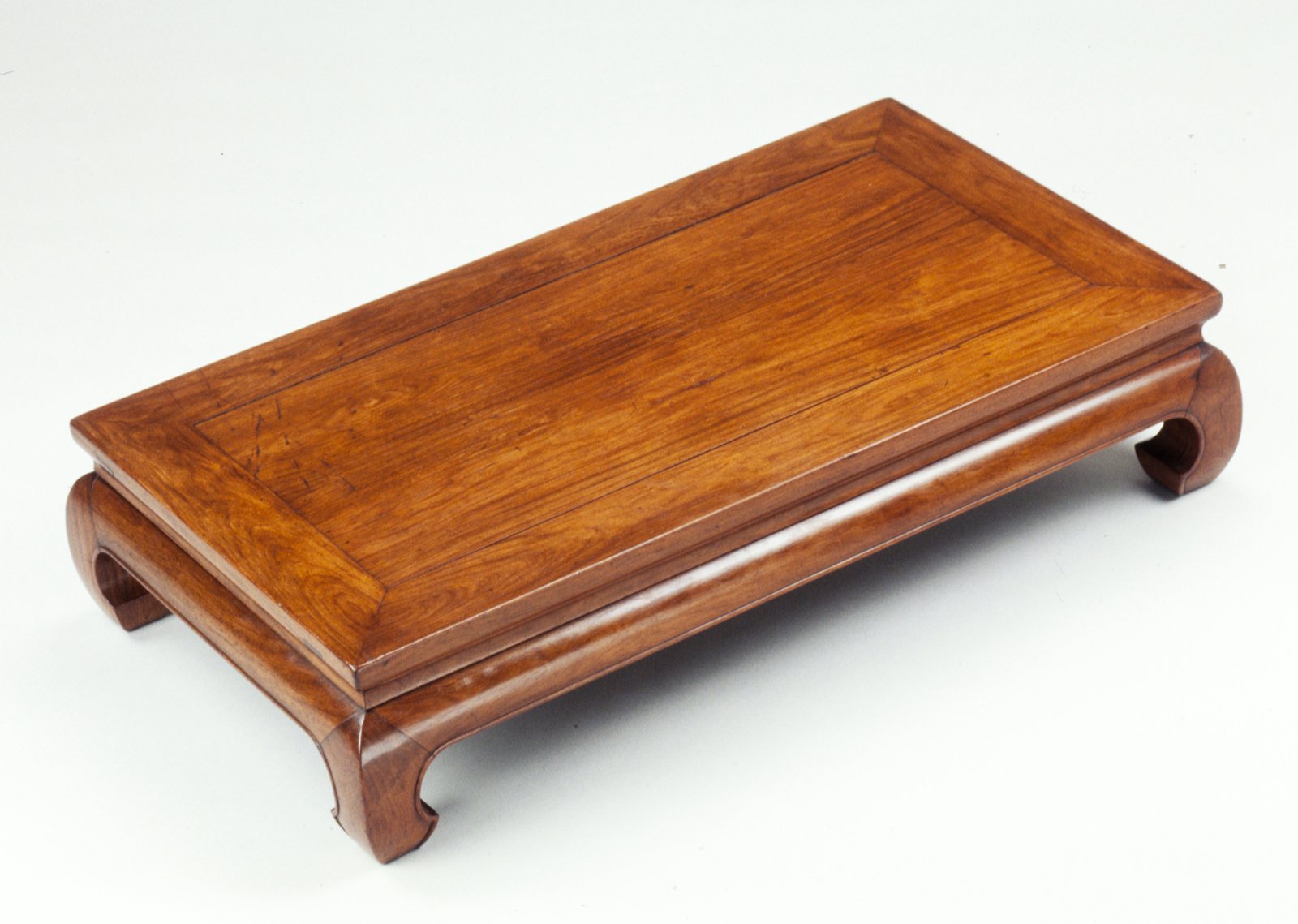
Kang table, 17th c. · Minneapolis Institute of Art
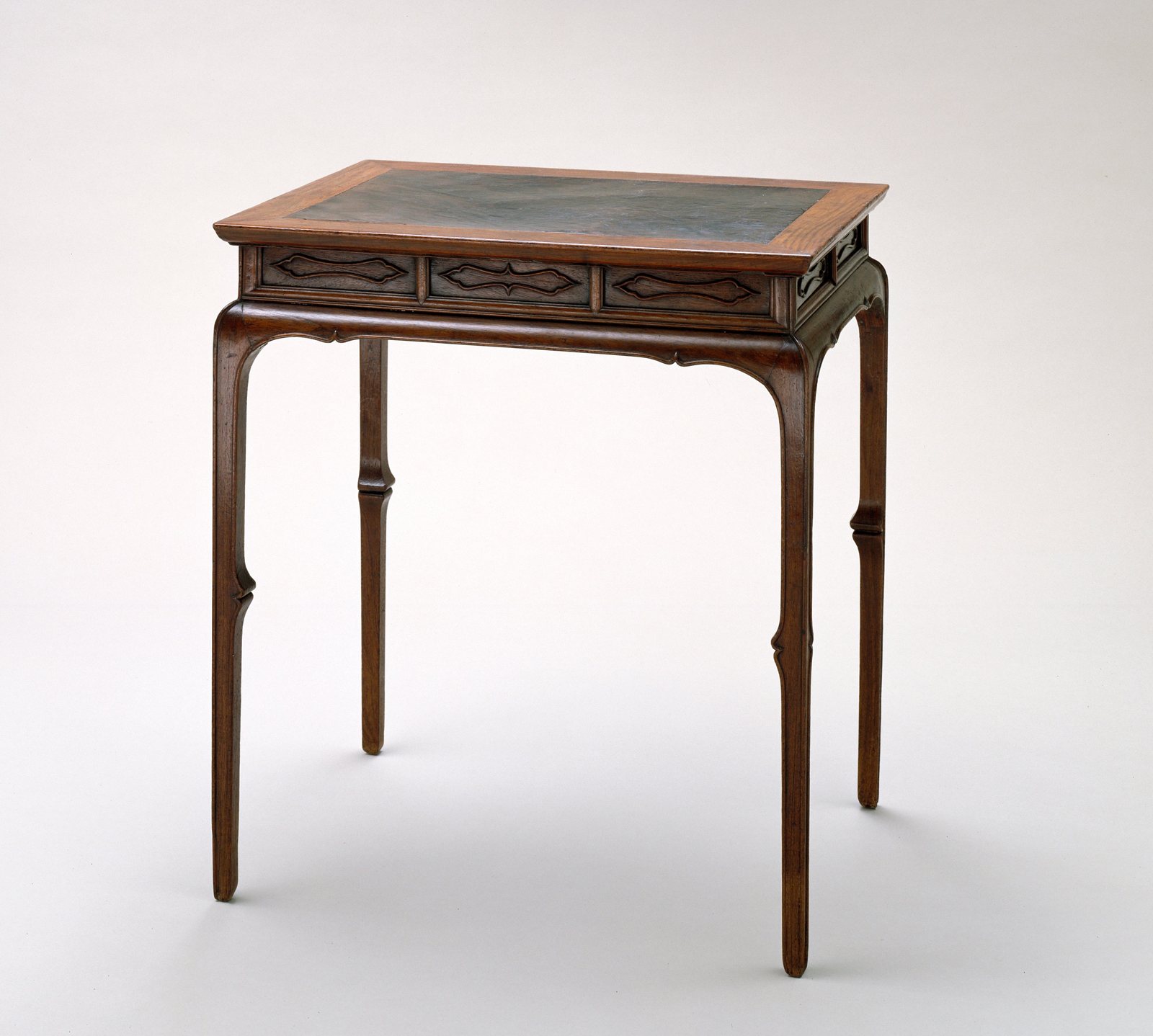
High-waisted table, late 16th c. · Minneapolis Institute of Art

Four-sides-flat tables and square-corner cabinets

Legs, aprons and top meet flush at the outer corner, and each face shows a single diagonal line. Bookcase and cabinet tops work the same way.

Zongjiao joint →
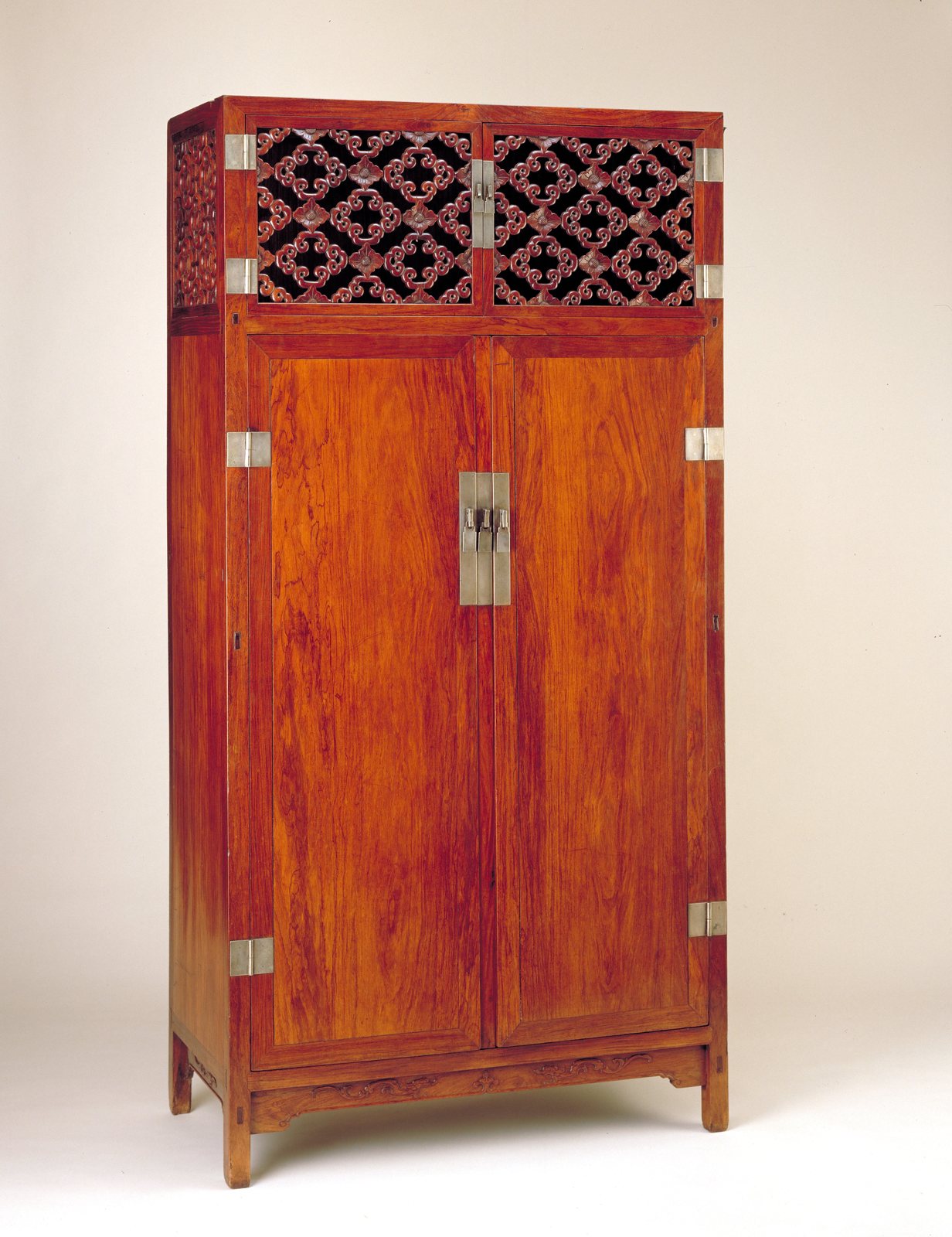
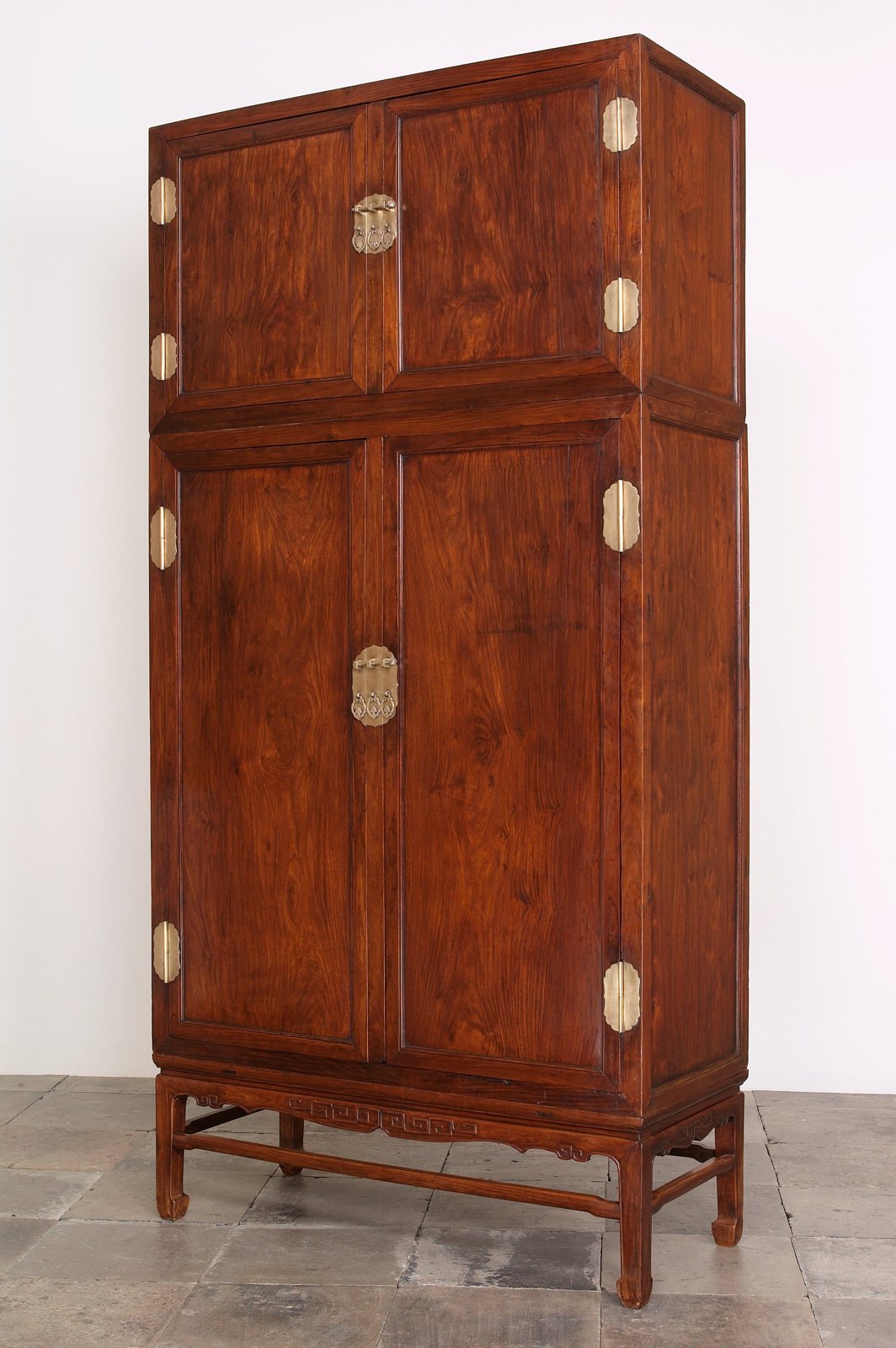
Square-corner cabinet, c. 1600 · Minneapolis Institute of Art
Compound wardrobe, early 18th c. · Minneapolis Institute of Art

Long tables with recessed legs

The legs are set in from the ends rather than at the corners. These tables use the jiatou or chajian joints instead of the baojian joint; guides are in the works.

Coming soon
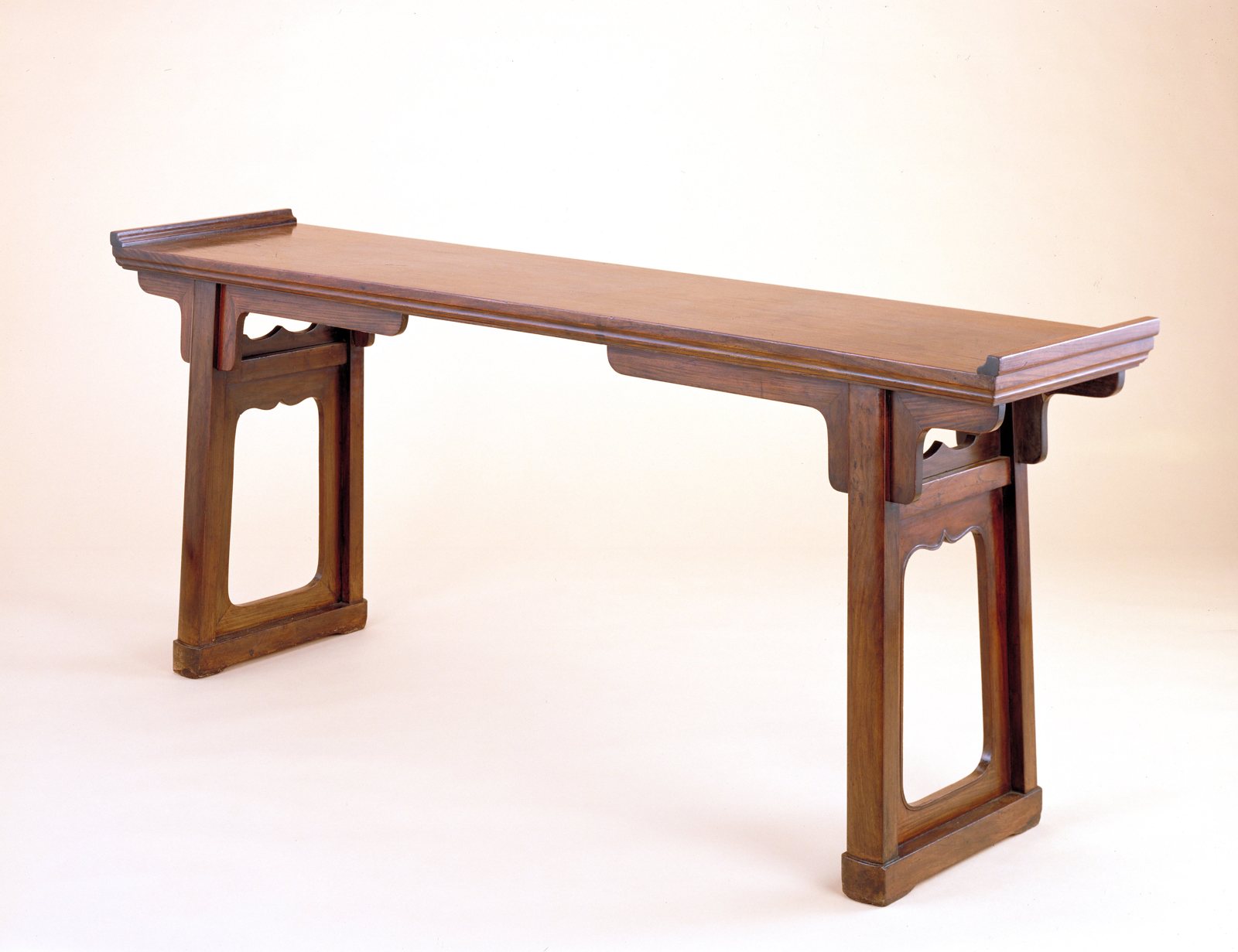
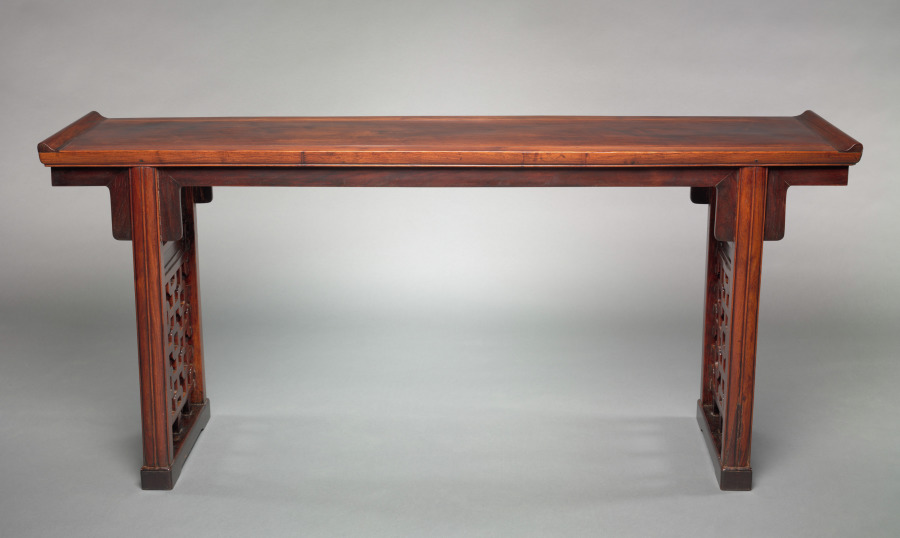
Long table, late 16th c. · Minneapolis Institute of Art
Altar table, Ming dynasty · Cleveland Museum of Art